Every project tells a story in days, decisions, and weather windows. For homeowners and property managers in Tampa, timing matters as much as technique. You want durable concrete, but you also want predictability: when will the crew arrive, how long will your driveway be off-limits, which steps trigger inspections, and what weather will slow progress? Drawing on field experience and dozens of local jobs, this is a practical timeline for common projects All Phase concrete handles across Tampa FL, with realistic buffers, trade-offs, and a few on-the-ground tips that save time and money.
Why schedule precision matters here Tampa’s climate forces a different rhythm than cooler regions. Hot, humid summers accelerate set times and demand more attention to curing; sudden afternoon storms can interrupt pours; rainy-season permits and inspections sometimes require extra coordination. When a contractor promises a single-day turnaround without contingencies, expect surprise delays. A well-run job balances speed with moisture control, reinforcement placement, and planned curing so the concrete performs for decades rather than months.
Typical projects and their overall duration Below are five common project types with the usual range of calendar days from site prep to final acceptance. Each range includes typical permit and inspection waits where applicable. These are averages based on residential and light commercial work within Tampa city limits and nearby suburbs.
Driveway replacement (single-family, 2-3 car) Total time: 3 to 7 calendar days on site, plus 1 to 3 business days for permits if required. Real-world note: most driveway jobs can be completed in a week if the permit office signs off quickly. Busy season or HOA reviews add time.
Patio or slab-on-grade (10x10 to 20x20) Total time: 2 to 5 calendar days on site, plus 1 to 5 business days for permits. Real-world note: stamped or colored finishes add about half a day for extra prep and finishing care.
Pool deck or walkway (with reinforcement, sawcut joints) Total time: 3 to 7 calendar days on site, plus 2 to 7 business days for permits and inspections. Real-world note: decks often need more stringent compaction and drainage grade control, which can extend prep time.
Garage slab or interior slab (including vapor barrier) Total time: 4 to 10 calendar days on site, plus 2 to 10 business days for permits. Real-world note: interior slabs that include plumbing sleeves, radiant tubing, or industrial finishes require coordination with other trades.
Commercial grade slab (thickened edge, rebar mesh, control joints) Total time: 1 to 3 weeks on site, plus permit and inspection lead times that vary widely by jurisdiction. Real-world note: large pours may be phased across days with pump trucks and sequencing, making logistics the bigger constraint than concrete curing itself.
Project phases broken down Site evaluation and permitting A fast on-site evaluation takes less than an hour when accessible, but the permit clock runs on the municipality. Tampa and Hillsborough County typically process straightforward residential permits within a few business days, yet projects involving drainage changes, tree protection, or variances can take weeks. Give permit authorities full, legible plans and photos up front, and your contractor should follow up promptly. If you need to meet an HOA, allow at least one week for their review.
Site prep and demolition Good demolition is surgical; it removes old concrete, preserves what should remain, and creates a consistent base. For a typical 2-car driveway, expect one day for demo and hauling when equipment and dumpsters are scheduled. Compaction follows immediately. For patios and slabs, identify existing utilities before cutting. Hidden irrigation Concrete Services Tampa FL All Phase concrete lines or abandoned electrical conduits are common causes of unexpected half-day delays.
Base preparation and grading Base prep is where long-term performance is decided. We compact, validate subgrade density, and install 4 to 6 inches of crushed stone for driveways, more for heavier loads. For slabs that need to control moisture, a polyethylene vapor barrier is laid and overlapped, with joints taped. When soils are soft or organic, we add geotextile fabric or import select fill. This step can be a few hours to two days depending on soil conditions and access.
Formwork, reinforcement, and embeds Setting forms and placing wire mesh, rebar, or fiber reinforcement is straightforward when planned. For long pours, rebar cages and dowels add cost but reduce cracking and movement in Tampa’s clay-prone soils. Embeds such as plumbing sleeves, anchors for garage doors, or anchor bolts for columns must be placed before pour day. A standard residential slab will have this stage complete in one day; commercial or complex jobs may need multiple stages.
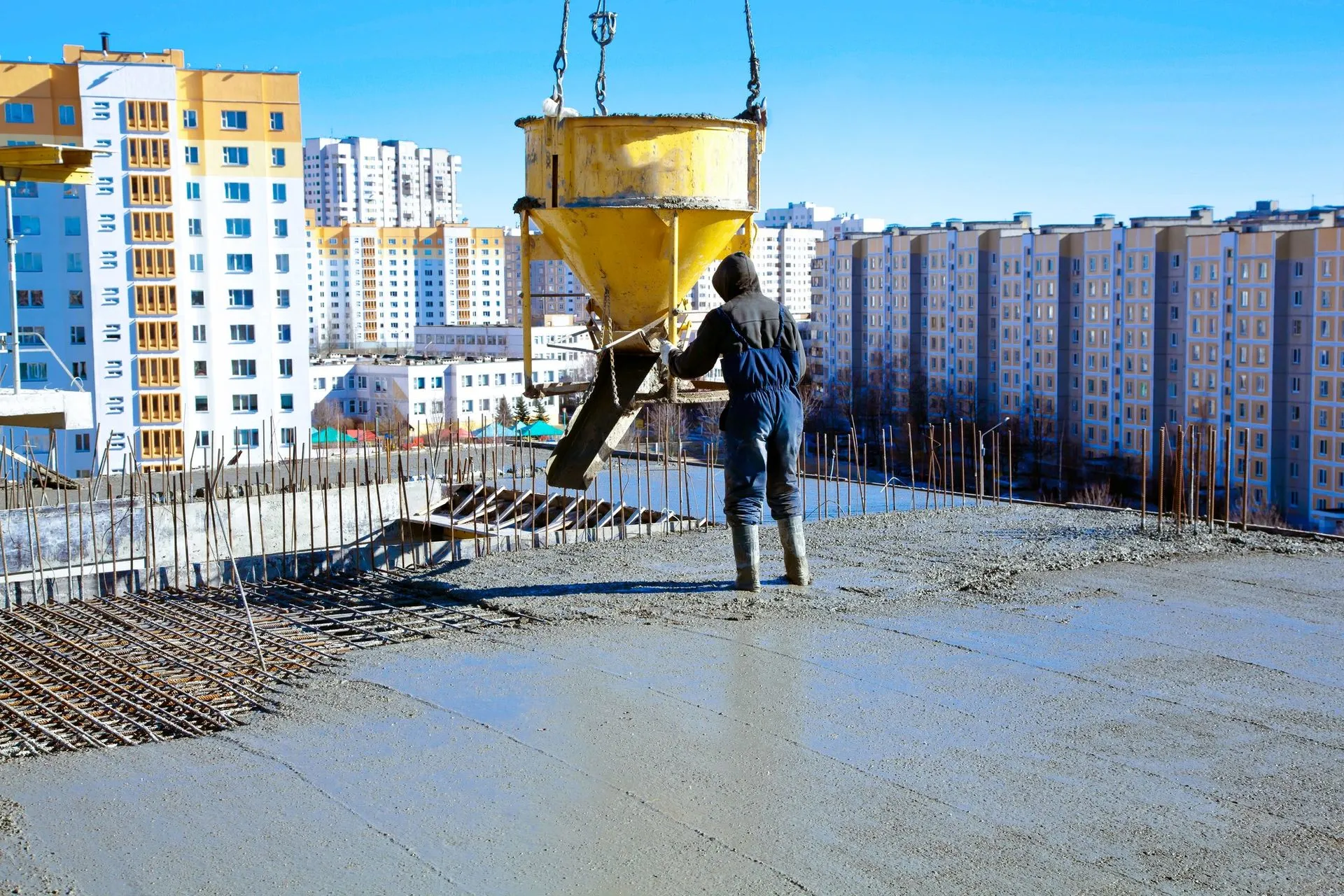
Pour day and finishing Pouring is the milestone everyone watches, but actual finishing matters more than the pour itself. In Tampa heat, concrete can stiffen quickly, so efficient crews, adequate labor, and planned admixtures help. After placing, we consolidate with vibrators, screed to grade, and apply the chosen finish: broom, stamped, or troweled. On a 20x20 patio, expect the crew on site 4 to 8 hours from arrival to leaving secured, with final touches continuing as the concrete reaches set strength.
Curing and protection Concrete gains strength over weeks, but the first 24 to 72 hours are critical. Proper curing prevents surface crazing and ensures longer term durability. Liquid membrane-forming curing compounds or wet curing (burlap and water) are common. In Tampa’s sun, we often schedule pours for early morning to maximize controlled curing time before afternoon heat. Traffic restrictions typically last 24 to 72 hours for foot traffic and 7 days for vehicle traffic on driveways, with full design strength at around 28 days.
Inspections and final acceptance Municipal inspections are scheduled during or after pour depending on local rules. Typical inspection points are base compaction, reinforcement placement, and final slab grade. If waterproofing or site drainage is altered, additional sign-offs may be required. For homeowners coordinating with lenders or insurance, getting the final municipal paperwork is often the last administrative step.
Common delays and how All Phase concrete mitigates them Weather interruptions Tampa thunderstorms are frequent in summer afternoons. Rather than gamble, experienced crews watch the radar and stage equipment for a morning pour window. When storms are unavoidable, we reschedule pours early with vendor communication and keep crews on standby to take advantage of short breaks in bad weather.
Material logistics Shortages of rebar or admixtures are rare but happen. Good contractors maintain supplier relationships and buffer inventory for common items. Color additives and specialty stamp mats should be ordered weeks ahead if custom shades or patterns are requested.
Accessibility and staging Narrow driveways, overhead power lines, or tight backyards complicate pump truck placement. When we encounter cramped access, we bring compact pumps, wheelbarrows, or schedule smaller consecutive pours rather than one big event. That choice adds time but preserves finish quality.
Soil surprises Organic pockets, soft soils, and high water tables are common. When encountered, solutions range from undercut and replace methods to installing sonotubes or grade beams. Pre-job geotechnical testing minimizes surprises; it costs up front but often saves money by avoiding patchwork fixes after a failed compaction test.
Anecdote: a driveway that taught a lesson A homeowner in South Tampa wanted a quick replacement before a family event. The bid was aggressive, promises of "one-day" completion. On demo day, the crew found two hidden irrigation mains and a soft zone under the south half. We stopped, communicated, and proposed two options: proceed with imported compacted fill and standard reinforcement for an additional day, or proceed with a thinner slab that would limit future vehicle weight. The homeowner chose the former. The fix added a day and some cost, but the driveway performed, and there were no hairline failures after the first rainy season. That moment illustrates a trade-off: speed versus durable decision-making.
Practical schedule for homeowners to expect Below is a concise checklist owners can use to prepare their property and schedule around a residential slab or driveway project. Use this to coordinate pets, vehicle relocation, and any events that require access.
- confirm permit status and HOA approvals two weeks before scheduled start clear vehicles and personal items 24 hours before demolition arrange alternative parking for at least 7 days post-pour for vehicle-bearing slabs keep pets and children away from the work area during demo and pour day provide a point of contact who can approve minor on-site decisions
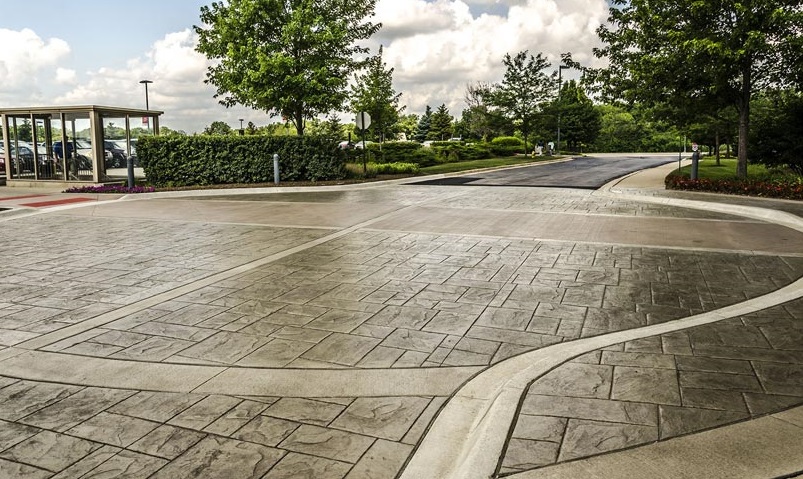
Finishing choices that affect time and cost A broom finish is fast and inexpensive, usually adding minimal time. Stamped or colored concrete requires extra steps: release agents, pattern mats, and sometimes additional curing treatments; expect an extra half day to full day and a 10 to 30 percent increase in cost depending on complexity. Polished concrete for garages or interiors involves grinding and multiple coats of sealer, taking several days but offering a low-maintenance, high-durability surface.
Cost versus schedule trade-offs If you want a weekend job, you can sometimes compress a schedule, but expect single-day pressure to raise labor demand and potentially increase cost by 15 to 30 percent. Faster turnarounds increase the risk of missed prep items and weather vulnerability. Conversely, spacing phases across more days reduces overtime, improves workmanship, and lowers the chance of callbacks.
What to expect in the first month after pour Day 1 to 3: Keep forms and joints undisturbed, protect edges from traffic and lawn equipment. If you used colored or stamped finishes, avoid Concrete contractor in Tampa FL cleaning agents for a week.
Day 7: Light foot traffic is usually acceptable; vehicles are still discouraged on slabs meant for cars.
Day 14: Most concrete will have about 75 percent of its 28-day strength. Landscaping or light attachments are often safe.
Day 28: Concrete reaches design strength; heavier equipment or sustained vehicle traffic is typically allowed.
Long term maintenance tips from the field Sealing every 2 to 5 years for driveways and patios in Tampa reduces staining and surface wear. Control joint sealing prevents water from washing subbase materials out. For decorative concrete, avoid harsh acid washes regularly; use manufacturer-approved cleaners. Finally, do not park a heavy vehicle on one spot for weeks, especially in hot months, because heat and weight can cause surface deformation over time.
Why experience with local conditions matters Concrete is predictable in principle, less so in practice when local variables enter the picture. Firms that pour across multiple Florida microclimates learn to schedule around the afternoon storms in Tampa, manage high humidity during curing, and navigate county permit idiosyncrasies. That local experience reduces surprises and produces a better, longer-lived product.
If you need a rough calendar for your project If you contact All Phase concrete with a scope and address, expect a walkthrough within 48 hours, a permit submission timeline estimate the same day, and a target job window based on permit lead times and weather. For many residential jobs, a realistic target from bid acceptance to final walk-through is two to three weeks if permits move quickly, and four to six weeks when inspections or HOA approvals are required.
Final practical note Concrete reliability comes from doing the small things well: proper compaction, correctly placed reinforcement, thoughtful curing, and respectful scheduling that works with Tampa’s weather rather than against it. If you ask potential contractors to walk you through their typical timeline, listen for specifics on compaction numbers, curing times, and contingency planning. Those details reveal whether the schedule is credible or merely optimistic.
If you want, describe your project size and location and I will outline a targeted timeline, likely start dates, and permit expectations for your exact neighborhood in Tampa FL. All Phase concrete’s local experience makes those estimates practical rather than hypothetical, so you can plan with confidence.