Hiring a concrete contractor in Tampa FL is more than a price comparison. The Gulf Coast climate, sandy soils, and city permitting patterns shape how concrete performs here. Choosing the right company saves money, prevents headaches, and keeps your project on schedule. Below I lay out a practical, experienced checklist you can use when hiring concrete services in Tampa FL, with real-world choices, trade-offs, and red flags to watch for.
Why this matters Concrete lasts decades when done well and fails quickly when shortcuts are taken. A bad pour can mean cracks, uneven slabs, poor drainage, and repeated repairs that cost more than hiring the right contractor initially. With local knowledge — how to handle salt air, drainage, and permit requirements — a good concrete crew delivers value that shows up in the second, fifth, and fifteenth year.
Start with scope: define what you actually need Begin by writing, in plain language, exactly what you want. Are you replacing a driveway, adding a patio, pouring a garage slab, or doing decorative stamped concrete around a pool? Include dimensions, thickness, finish (broom finish, exposed aggregate, stamped), load expectations (passenger cars, RV, commercial truck), and any site constraints such as trees, steep grades, or existing structures.
If your project is a driveway, specify vehicle type and frequency. Driveways that will regularly carry heavy trucks need thicker reinforcement and a different subgrade approach than a residential family car. For patios and walkways, drainage and slope matter. A slab that holds water will degrade, stain, and invite mosquitoes. State whether you want color added to the mix or a stain afterwards. These details affect materials, labor, and timeframes.
Licenses, insurance, and local permits Tampa and Hillsborough County require contractors to hold appropriate licensing for work that exceeds certain thresholds. Ask for license numbers, verify them online, and confirm they're current. Insurance matters even more. A contractor should carry both general liability and workers compensation insurance. Request certificates that name you as additional insured if the project is large. If a crew member is injured on your property and the contractor lacks workers compensation, you could be exposed to liability.
Permits in Tampa vary by project. Driveways often need a permit if the curb is altered or if the work connects to public streets. Pool decks and large slabs commonly require inspections at footings, subgrade, and final. A reliable company will handle permitting and inspections as part of the estimate. If a contractor says the job won't need permits when you suspect otherwise, treat that as a red flag.
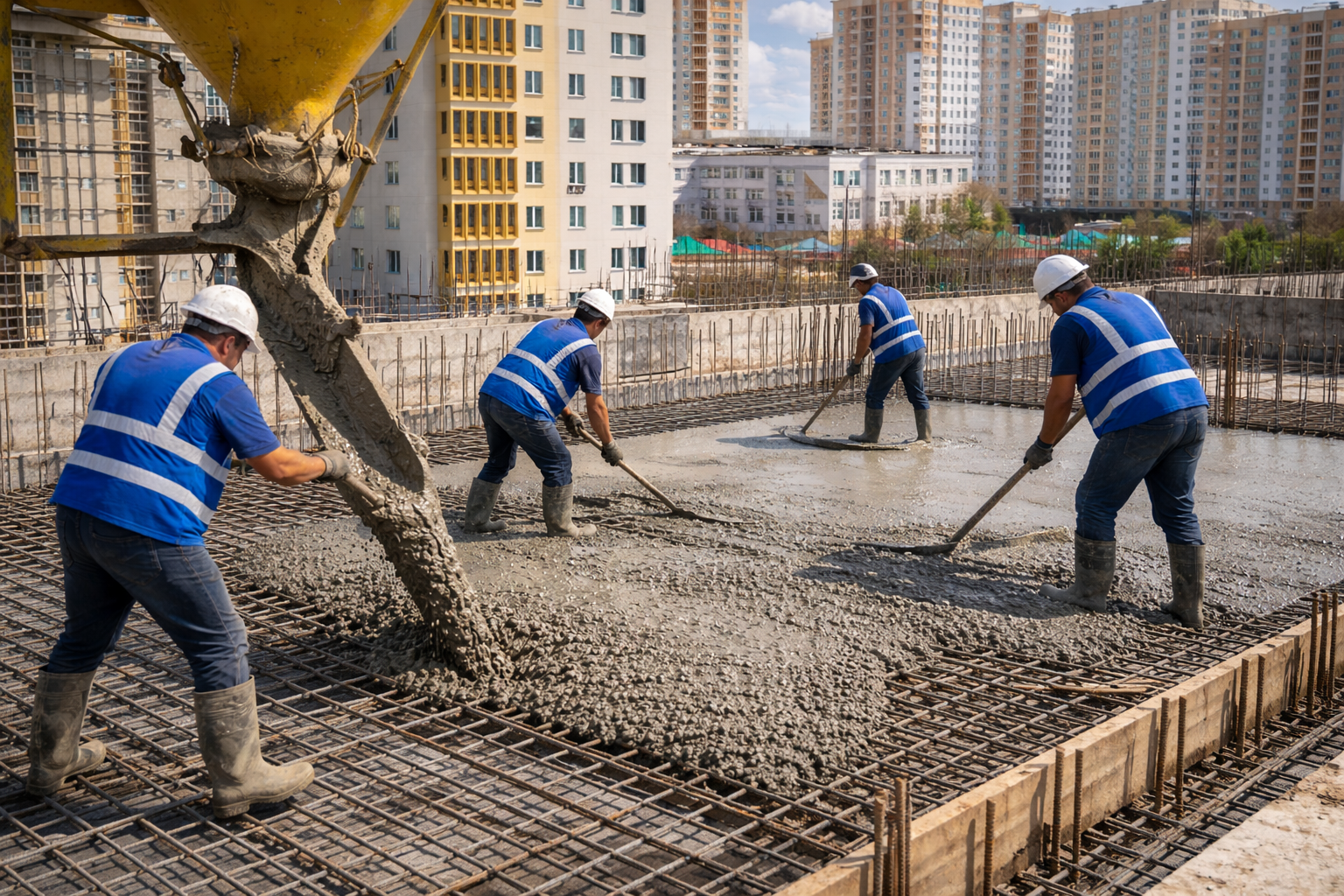
Experience with local conditions Tampa's sandy soils and high water table present special challenges. I once watched a contractor attempt to pour a slab on uncompacted fill near the bay; within months hairline cracks tracked across the driveway as the fill settled. A competent team will test and prepare the subgrade. Expect compaction, use of a geotextile in some spots, and a credible plan for fill where needed. They should also factor in rebar or mesh placement based on soil and load.
Ask about experience with salt-laden coastal air and whether they recommend extra cover or particular admixtures to resist chloride intrusion. For projects near the coast, design decisions that minimize corrosion risk can add decades to the service life of a slab.
Materials and Concrete Services Tampa FL All Phase concrete mix design Concrete is not generic. Mixes vary by compressive strength, aggregate size, water-cement ratio, and admixtures. For most residential slabs in Tampa, a 3,000 to 4,000 psi mix is typical. Driveways that will see heavier loads may call for 4,000 psi or higher. Ask whether they use air entrainment for freeze-thaw resistance; while freezes are rare here, air entrainment helps with durability and workability.
If you want colored concrete, confirm whether the pigment is integral in the mix or applied as a stain afterwards. Integral color is more uniform and resists wear, but onsite staining can be more flexible and repairable. If decorative finishes like exposed aggregate or stamping are specified, request sample panels or photographs of completed work from recent projects done in similar climate and soil conditions.
Reinforcement and jointing Rebar and wire mesh placement matters. For a typical 4-inch slab, welded wire mesh placed near mid-depth can be adequate for controlled cracking. Heavier loads require rebar and thicker sections. The contractor should discuss placement, cover, spacing, and whether dowels will be used at joints or where new concrete abuts old.
Control joints are a cheap insurance policy against random cracking. The crew should plan joint locations based on slab geometry, not just pour convenience. Saw-cut joints are often the most effective; the rule of thumb is to saw within 12 to 24 hours after finishing, depending on conditions. In hot, sunny Tampa weather, that window narrows. A contractor who ignores joint timing is inviting cracks.
Finishing quality and timing Finishing is where craftsmanship shows. Proper timing between floating, troweling, and broom finishing depends on temperature, wind, and mix. Overworking a slab when it is too wet creates laitance and a weak surface. Leaving it too rough looks bad and wears unevenly. For decorative stamping, timing is even more critical — release agents, stamping mats, and pattern alignment require a practiced crew.
Ask to see finished job photos that are recent and taken on site, not manufacturer stock images. Better yet, visit one of their local jobs in progress if possible. Look at edge clean-up, joint straightness, and how the concrete transitions to landscaping and driveways. Experience shows that crews who take extra time on edges and transitions deliver slabs that look better and perform better over time.
Scheduling and cure times Concrete needs time. A common pressure point is homeowners expecting a driveway back in one day. While concrete reaches useful strength within a week, a full cure that minimizes shrinkage and maximizes long-term strength takes about 28 days. Contractors should plan traffic restrictions and set realistic timelines for heavy loads. For stamp or colored work, some treatments require additional curing or sealing windows.
A practical scheduling note: avoid pouring during forecast heavy rain or extreme heat. In Tampa, spring and fall tend to offer calm conditions; summer pours demand extra attention to mixing water and evaporation control. Ask how they will protect fresh concrete from rain and sun, and whether they use curing compounds, wet coverings, or both.
Warranties, references, and recent work Get warranties in writing. Many contractors offer a workmanship warranty of one to five years, but read the fine print. Warranties rarely cover natural cracking within expected ranges or damage from poor drainage. Clarify what is covered, who pays for removal and replacement if a defect appears, and how disputes will be resolved.
Ask for at least three references from projects similar in scope within the last 12 to 24 months. Call those homeowners or managers, and ask about timeliness, cleanup, unexpected costs, and how the crew handled surprises like buried utilities or roots. If a contractor hesitates to provide references or gives only a long list without contact details, consider that a warning.
Pricing transparency and change orders A low bid is tempting, but concrete work hides costs when the subgrade is poor or when reinforcement is insufficient. Look for a detailed written estimate that breaks out costs for excavation, subgrade preparation, base material, concrete by cubic yard, reinforcement, finishing, color, stamping, sealing, and cleanup. The estimate should state assumptions, such as existing base compaction and no unforeseen obstructions.
Change orders happen, but they should be documented with scope, cost, and time impacts. Beware of contractors who pressure you to sign vague "allowances" or who start work before permits are final. Good contractors prefer clarity because they avoid surprises as much as you do.
Site cleanup and protection Concrete is messy. A professional crew protects your property, sews up gates or fences when needed, and cleans aggregates and residue from drives and sidewalks. Post-job cleanup should include removal of excess mortar, smoothing any tracks into landscaping, and proper disposal of washout water. Concrete washout is hazardous; responsible contractors use designated containment systems to prevent runoff into storm drains.
Red flags and common scams Beware of door-to-door offers promising a "special rate" if you sign that day. High-pressure sales often come with cut corners. Another red flag is a request for a very large upfront payment, especially in cash. Standard practice is a small deposit, All Phase concrete Concrete Services in Tampa FL with progress payments tied to measurable milestones. Also be cautious if a contractor cannot produce license or insurance documents on request, or if they claim their references are not contactable.
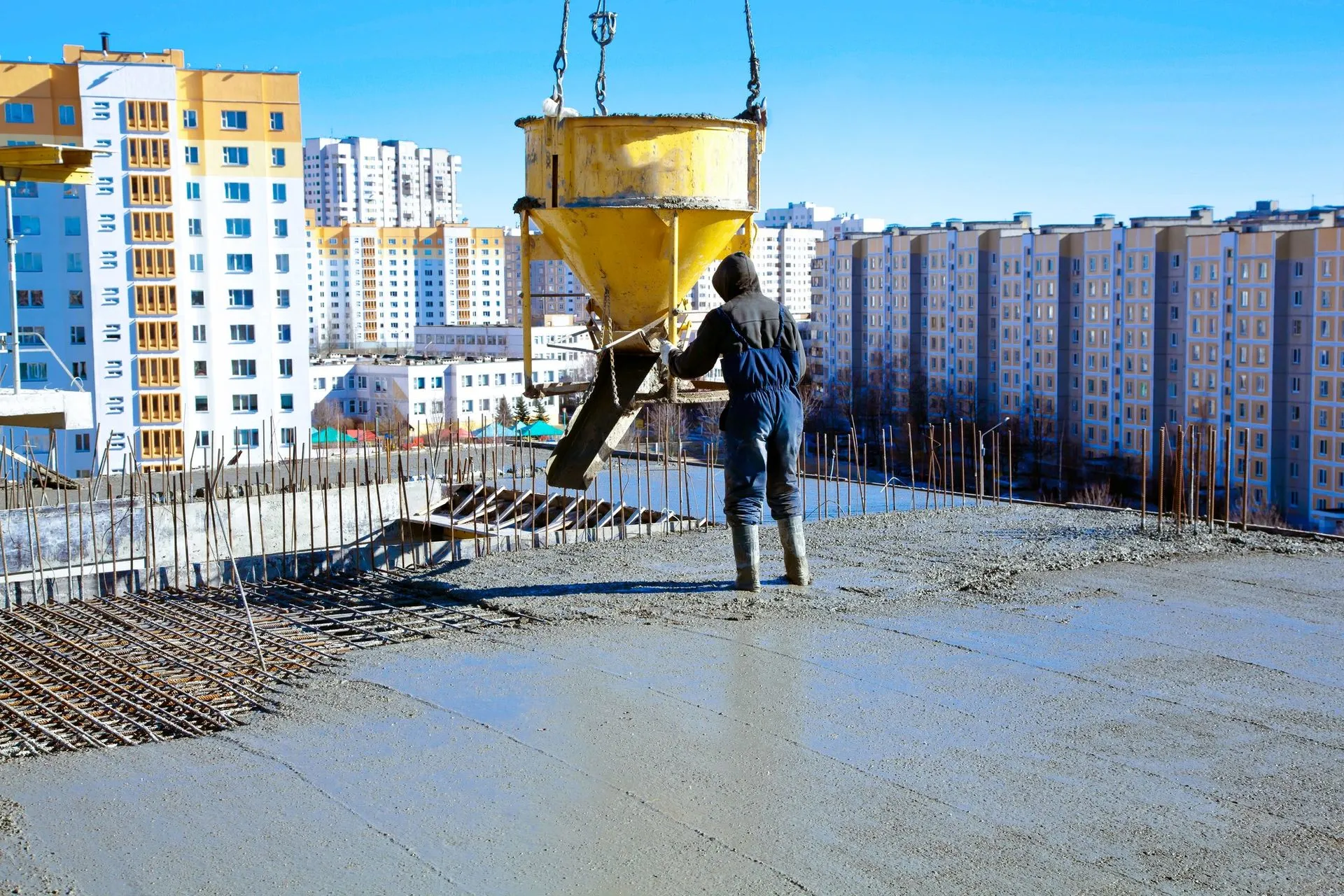
One frequent issue in Tampa involves cutting corners on subgrade and base material because it is invisible until failure. If a crew suggests skipping compaction because the site "looks firm," insist on testing and documentation. Good contractors will show compaction equipment and explain the compaction standard they use.
Negotiating and final check Before signing, confirm these items in writing: scope details, start and completion dates, total price and payment schedule, warranty terms, permit responsibility, cleanup, and who will be the point of contact. If you want a specific finish sheen or color shade, include a sample panel as part of the contract. For driveways and areas with significant grade changes, request drawing sketches with joint locations and reinforcement notes.
A short checklist to bring to the job meeting
- contractor license and insurance certificates verified written estimate with itemized costs and assumptions timeline with curing and traffic restrictions sample colors or finish panels where applicable list of local references from similar projects
A brief anecdote about trade-offs I worked on a small Tampa renovation where the owner insisted on the absolute cheapest bid for a 20-foot driveway. The crew poured over an uncompacted sandy patch and left out sufficient reinforcement to save time. Within 18 months the slab developed multiple hairline cracks that widened and settled near the edges. Repairing and replacing cost nearly double the original savings. Paying a little more up front for proper subgrade, compaction, and reinforcement would have avoided that expense and hassle.
Final thoughts on hiring Choosing a concrete contractor in Tampa FL is a mix of technical questions and judgment about reliability. Local knowledge matters, and so does the willingness to show proof of past work, handle permits, and back their work in writing. Expect transparent pricing, clear timelines, and a crew that explains why they do things a certain way instead of giving one-line answers. If All Phase Concrete or another local firm is on your shortlist, apply the checklist above and compare not just price but experience with Tampa's conditions, warranty language, and references from recent, similar jobs.
Hire someone who treats the unseen work as important as the visible finish. The difference between a slab that lasts and one that fails is often decided before the concrete truck even arrives.